
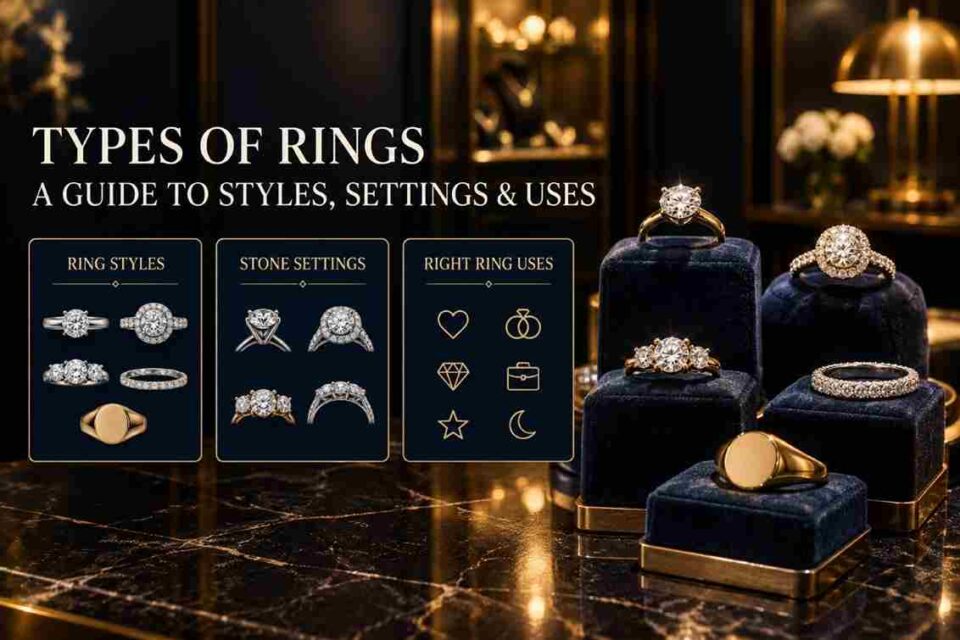
Rings come in many styles, from simple gold bands and classic engagement rings to decorative cocktail rings and gemstone designs. Some are worn every day, while others mark important occasions, represent relationships or serve as personal fashion statements.
Understanding the different types of rings makes it easier to recognise their designs and choose the right one for a particular purpose. The main differences come down to the ring’s style, the gemstones it features, how those stones are secured and the occasion for which it is worn.
This guide explores the most popular types of rings, explains common gemstone settings and highlights what to consider when choosing a ring for everyday wear, special occasions or meaningful gifts.
Table of Contents
What Are the Main Types of Rings?
The main types of rings include wedding bands, engagement rings, solitaire rings, eternity rings, signet rings, cocktail rings, birthstone rings, promise rings and stacking rings.
Each type has a different design and purpose. Some represent love and commitment, while others are chosen for their appearance, personal meaning or decorative appeal.
Here are some of the most recognisable ring styles:
| Type of ring | Main features | Common use |
|---|---|---|
| Engagement ring | Usually features a central gemstone | Marriage proposal |
| Wedding band | Simple or decorative circular band | Marriage |
| Solitaire ring | One central gemstone | Engagement or fashion |
| Eternity ring | Continuous or partial row of gemstones | Anniversaries and gifts |
| Signet ring | Flat surface, often engraved | Personal style and family identity |
| Cocktail ring | Large, eye-catching design | Parties and special occasions |
| Promise ring | Symbolic design representing a commitment | Relationships |
| Birthstone ring | Features a gemstone associated with a birth month | Personal gifts |
| Stackable ring | Slim design made to be worn with other rings | Everyday fashion |
| Claddagh ring | Features two hands holding a heart beneath a crown | Love, friendship and loyalty |
These categories can overlap. For example, an engagement ring can also be a solitaire ring, while an eternity ring can serve as an anniversary gift or wedding band.
Popular Types of Rings and Their Uses
1. Engagement Rings
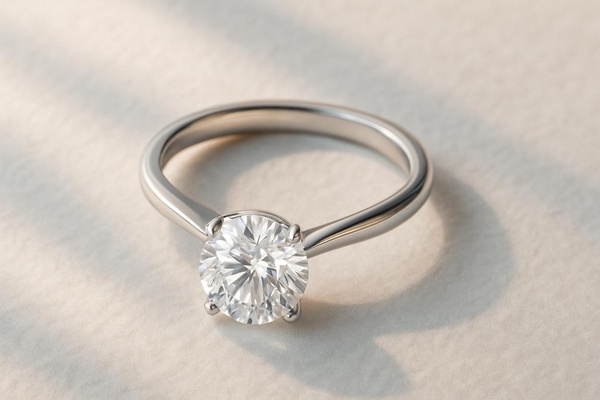
An engagement ring is traditionally given when someone proposes marriage. It often features a prominent diamond or another gemstone placed at the centre of the design.
Solitaire, halo, three-stone and vintage-inspired designs are popular choices. Diamond engagement rings remain a familiar option, although sapphires, emeralds and other coloured gemstones offer alternatives.
The setting, gemstone shape and metal colour all influence the ring’s appearance. A practical choice should also consider the wearer’s lifestyle and preferred jewellery style.
2. Wedding Bands
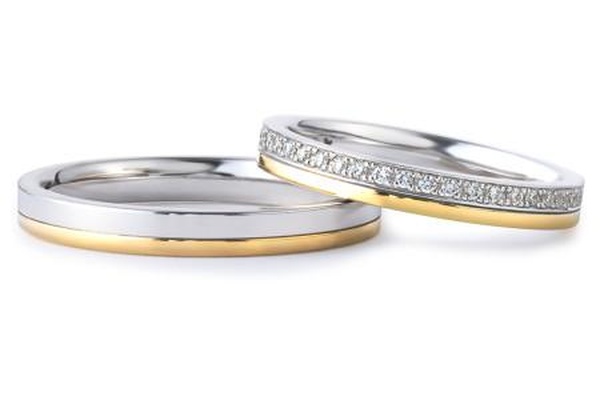
Wedding bands are exchanged during a marriage ceremony to symbolise commitment and partnership. They are generally simpler than engagement rings, although some designs include diamonds, engraved patterns or decorative details.
Common options include:
- Plain metal bands: Simple designs in gold, platinum or other metals.
- Diamond wedding bands: Feature small diamonds along part or all of the band.
- Contoured bands: Shaped to sit alongside an engagement ring.
- Eternity bands: Feature a continuous row of gemstones.
Comfort is particularly important because wedding bands are often worn every day.
3. Solitaire Rings
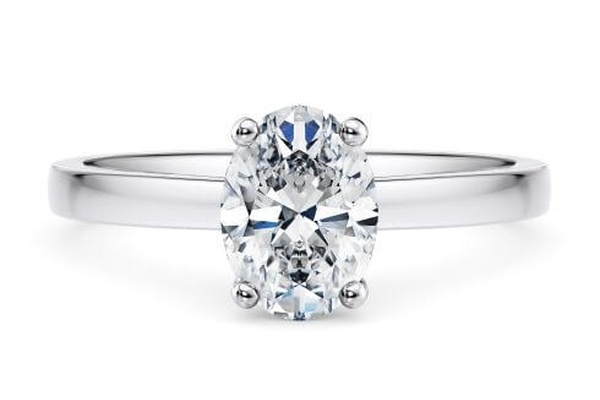
A solitaire ring features one main gemstone without additional surrounding stones. Its simple design draws attention to the centre stone, making it a popular choice for engagement rings.
Diamonds are common, but solitaire rings can also feature sapphires, emeralds, rubies and other gemstones.
The gemstone is often held by a prong setting, although bezel settings are another option. Solitaire designs suit people who prefer understated jewellery with a clear focal point.
4. Halo Rings
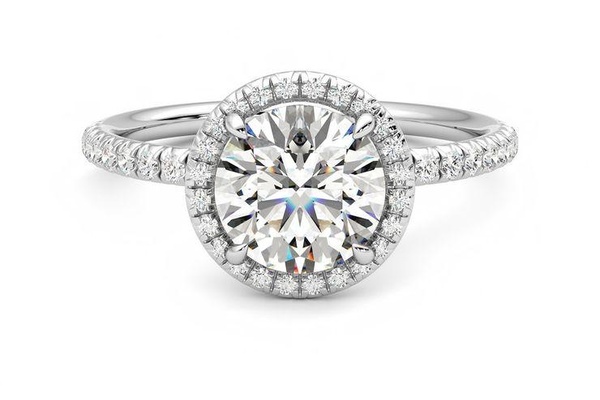
A halo ring features a central gemstone surrounded by a circle of smaller diamonds or other gemstones.
The surrounding stones add extra sparkle and create a more decorative appearance. Halo designs are available in different shapes, including round, oval, cushion and pear.
They are commonly chosen for engagement rings and special gifts. However, the additional small stones mean more settings may need occasional inspection and maintenance.
5. Eternity Rings
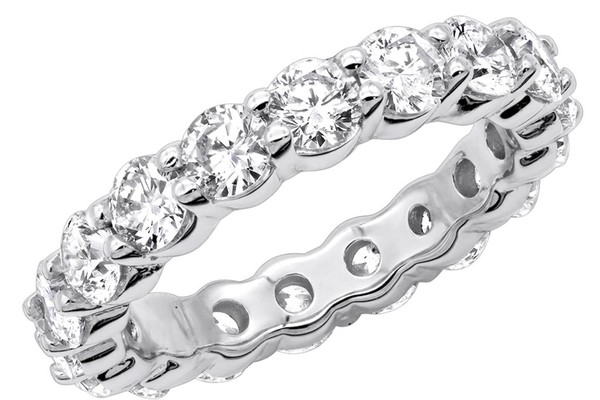
Eternity rings feature gemstones arranged around the band, traditionally representing lasting love and commitment.
There are two main designs:
- Full eternity rings: Gemstones continue around the entire band.
- Half eternity rings: Gemstones cover only the visible upper portion.
Diamonds are a common choice, although coloured gemstones are also used.
Full eternity rings can be difficult to resize because the stones extend around the band. Anyone considering one should pay particular attention to the fit before purchasing.
6. Signet Rings
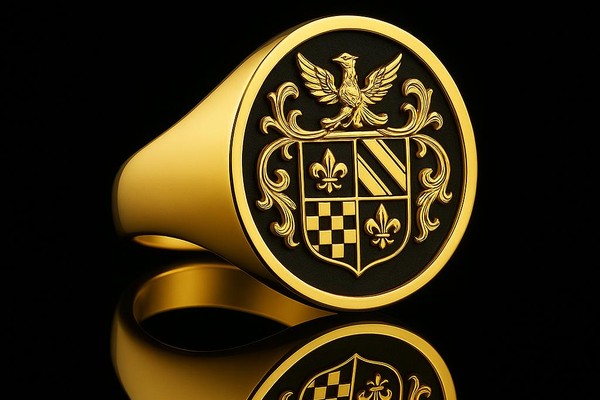
Signet rings have a distinctive flat or slightly raised surface, which can be engraved with initials, family crests, symbols or personal designs.
Historically, signet rings were used to make impressions in wax seals to authenticate documents. Today, they are widely worn as personal accessories.
Traditional designs often feature gold or silver, while modern versions include different shapes, engravings and gemstones. They are popular among both men and women.
7. Cocktail Rings
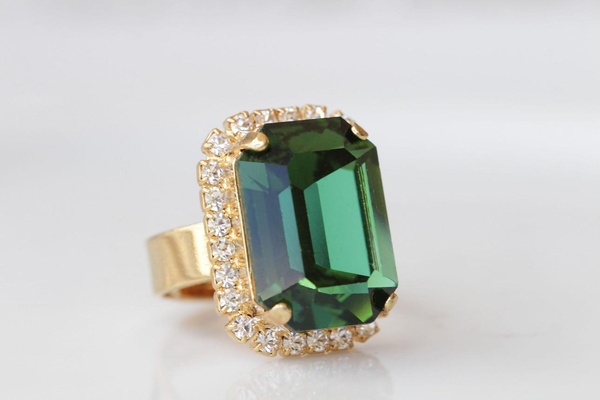
Cocktail rings are bold, decorative rings designed to attract attention. They often feature large gemstones, colourful stones or elaborate arrangements of smaller gems.
Unlike simple everyday bands, cocktail rings are generally worn as statement accessories for parties, celebrations and formal occasions.
Popular designs include oversized gemstone rings, floral arrangements and vintage-inspired settings.
8. Promise Rings
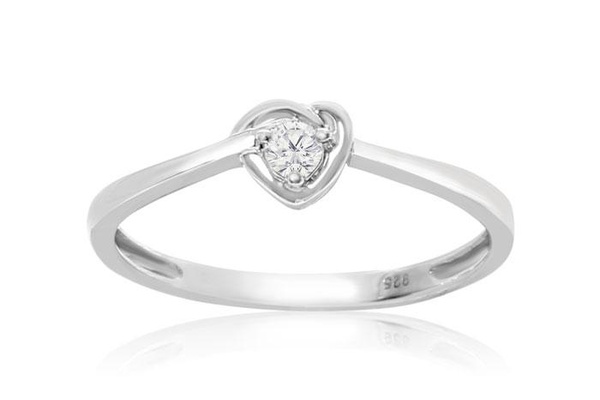
A promise ring represents a personal commitment between two people. It may symbolise a relationship, loyalty or an intention to share a future.
These rings are often smaller and less elaborate than engagement rings. Popular designs include heart-shaped details, small gemstones, infinity symbols and simple metal bands.
There is no single required design or universal meaning. The significance depends on the commitment shared by the people exchanging the rings.
9. Birthstone Rings
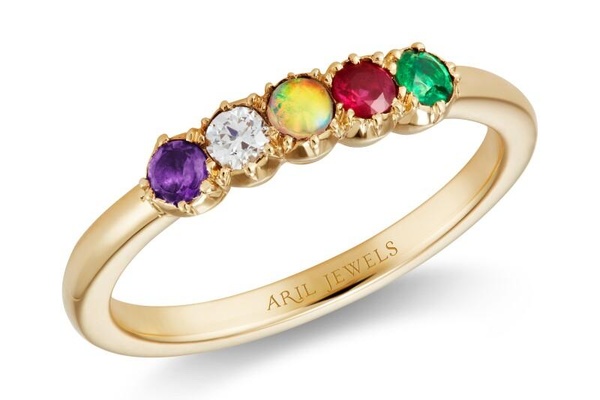
Birthstone rings feature gemstones associated with particular birth months. They are often purchased as birthday presents or personalised jewellery.
The traditional monthly birthstones include:
| Birth month | Traditional birthstone |
|---|---|
| January | Garnet |
| February | Amethyst |
| March | Aquamarine |
| April | Diamond |
| May | Emerald |
| June | Pearl |
| July | Ruby |
| August | Peridot |
| September | Sapphire |
| October | Opal |
| November | Topaz |
| December | Turquoise |
Birthstone traditions can vary between sources and jewellery collections, so buyers may encounter alternative stones for some months.
10. Stacking Rings
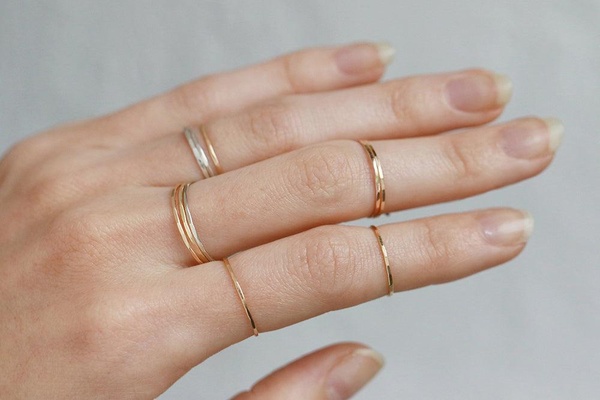
Stacking rings are slim rings designed to be worn together on one finger or across several fingers.
They allow people to combine different metals, gemstones, textures and band shapes to create a personalised look.
Some people build a stack gradually, adding rings to celebrate birthdays, anniversaries or other milestones. Plain bands, small diamond rings and twisted designs are common choices.
Different Types of Ring Settings Explained
A ring’s style and its setting are not the same thing. The style describes the overall design, while the setting refers to how a gemstone is held in place.
Understanding this difference is particularly useful when comparing engagement rings and gemstone jewellery. The setting can affect the stone’s appearance, protection and suitability for everyday wear. GIA+1
Here are some common ring settings.
Prong Setting
A prong setting uses small metal claws to hold a gemstone in position. Four- and six-prong designs are common.
This setting leaves much of the gemstone exposed, allowing light to enter from different directions. However, raised prongs can catch on clothing and should be checked periodically for signs of wear.
Bezel Setting
A bezel setting surrounds the gemstone with a metal rim. This creates a smooth finish and helps protect the stone’s edges.
It is a practical option for people who prefer a lower-profile design or regularly use their hands. The metal surrounding the stone also creates a different visual effect from an open prong setting.
Pavé Setting
Pavé settings use small gemstones placed closely together, usually secured by tiny metal beads.
The result is a sparkling surface that makes the band appear almost covered in diamonds. Pavé details are frequently used on engagement rings and decorative wedding bands.
Channel Setting
A channel setting places several gemstones between two parallel walls of metal.
This creates a smooth row of stones without individual prongs separating them. It is commonly used for wedding bands and eternity rings.
Flush Setting
A flush setting places a gemstone within the surface of the metal so that it sits level with the surrounding band.
It creates a clean, understated appearance and protects much of the stone’s sides. This makes it a useful option for minimalist everyday rings.
How to Choose the Right Type of Ring
The right ring depends on its purpose, design, comfort and how often it will be worn. A beautiful ring may not be the most practical option if its shape or setting does not suit the wearer’s daily activities.
Consider these factors before making a choice:
1. Consider the occasion
Engagement rings and wedding bands have traditional symbolic meanings, while cocktail and fashion rings are primarily decorative. Choose a style that reflects the occasion and the message behind the gift.
2. Choose a suitable metal
Gold, platinum and sterling silver are common jewellery materials. Each has different appearance, maintenance and durability characteristics. Check the metal’s composition and any relevant markings before buying.
3. Think about everyday comfort
People who work with their hands may prefer smooth bands and lower-profile settings. Raised gemstones and elaborate designs can be less convenient for regular activities.
4. Select the right gemstone
Consider the gemstone’s appearance, durability and care requirements. Diamonds and sapphires are popular for frequently worn rings, while softer or more delicate gemstones may need additional protection.
5. Get the correct ring size
A ring should fit securely without feeling uncomfortably tight. Professional sizing is a good option, particularly for wider bands or rings with expensive gemstones. Jewellers of America also recommends considering the knuckle when checking ring fit. Jewellers of America
Frequently Asked Questions About Types of Rings
What are the most popular types of rings?
Popular types include engagement rings, wedding bands, solitaire rings, eternity rings, halo rings, signet rings, cocktail rings and stacking rings. Their popularity varies according to personal style, occasion and jewellery preferences.
What is the difference between a solitaire and a halo ring?
A solitaire ring features one central gemstone without a surrounding circle of smaller stones. A halo ring has a central gemstone surrounded by smaller gemstones, creating a more decorative appearance.
Which type of ring is best for everyday wear?
Simple wedding bands, low-profile bezel rings and comfortable gemstone bands are practical choices for everyday wear. The best option depends on the gemstone, metal, setting quality and the activities involved in daily life.
What is the difference between a ring style and a ring setting?
A ring style describes the overall design, such as solitaire, halo or signet. A setting describes how the gemstone is secured, such as with prongs, a bezel, pavé or a channel.
What are the different types of rings for couples?
Common choices include engagement rings, wedding bands, promise rings and matching couple rings. Each can represent a different stage of a relationship or a personal commitment.
Final Thoughts
The different types of rings offer something for every occasion, personal style and budget. From traditional engagement rings and wedding bands to statement cocktail rings and personalised birthstone designs, each style has its own purpose and appeal.
Understanding ring settings is equally useful because the way a gemstone is secured affects its appearance, protection and everyday practicality. By considering the occasion, metal, gemstone, setting and fit, you can choose a ring that looks beautiful and remains comfortable to wear.